
Light Vessels
The world’s first lightvessel was the result of a business partnership between Robert Hamblin, an impoverished former barber and ship manager from King’s Lynn, Norfolk, UK and David Avery, a regular investor in small projects. In 1730 the pair secured a government licence to moor a ship – with a prominent light affixed to it to serve as a navigation aid – at the Nore in the Thames mouth. Hamblin and Avery intended to profit from the vessel by collecting a fee from passing merchant vessels. The licence was opposed by Trinity House which considered that it possessed a monopoly on construction and maintenance of navigation aids in British waters. After extensive legal dispute the licence was revoked in 1732 and Trinity House assumed direct responsibility for the proposed lightship; Hamblin and Avery were granted nominal lease revenues in exchange. The Nore lightship commenced operations in 1734.
A further lightvessel was placed at the Dudgeon station, off the Norfolk coast, in 1736, with others following at Owers Bank (1788) and the Goodwin Sands (1793). Many others were commissioned during the nineteenth century, especially off England’s east coast and the approaches to the Thames, where there were many treacherous shoals.
Following their acquisition of the patent, all English and Welsh lightvessels were maintained by Trinity House, with the exception of the four vessels in the approaches to the River Mersey, which were maintained by the Mersey Docks and Harbour Board until 1973, and those in the Humber Estuary, which were the responsibility of the Humber Conservancy Board. In order to act as effective daymarks Trinity House lightvessels were painted red, with the station name in large white letters on the side of the hull, and a system of balls and cones at the masthead for identification. The first revolving light was fitted to the Swin Middle lightvessel in 1837: others used occulting or flashing lights. White lights were preferred for visibility though red and very occasionally green (as with the Mouse lightvessel) were also used. Communication with lightvessels proved to be a major problem for Trinity House; lightvessel crews were well-placed to observe ships in distress, but could not always alert lifeboats on shore. Attempts were made to run undersea cables between light vessels and shore stations but they proved unsuccesful. The world’s first radio distress signal was transmitted by the East Goodwin lightvessel’s radio operator on 17 March 1899, after the merchant vessel Elbe ran aground on the Goodwins, while on 30 April that year, the East Goodwin vessel transmitted a distress signal on its own behalf, when the SS R. F. Matthews rammed it in a dense fog. Safety was further improved by the development of more powerful lamps and through the replacement by foghorns of the gongs previously used as fog signals.
Crew
Until the later 20th century, all Trinity House vessels were permanently manned. An 1861 article in the Cornhill Magazine
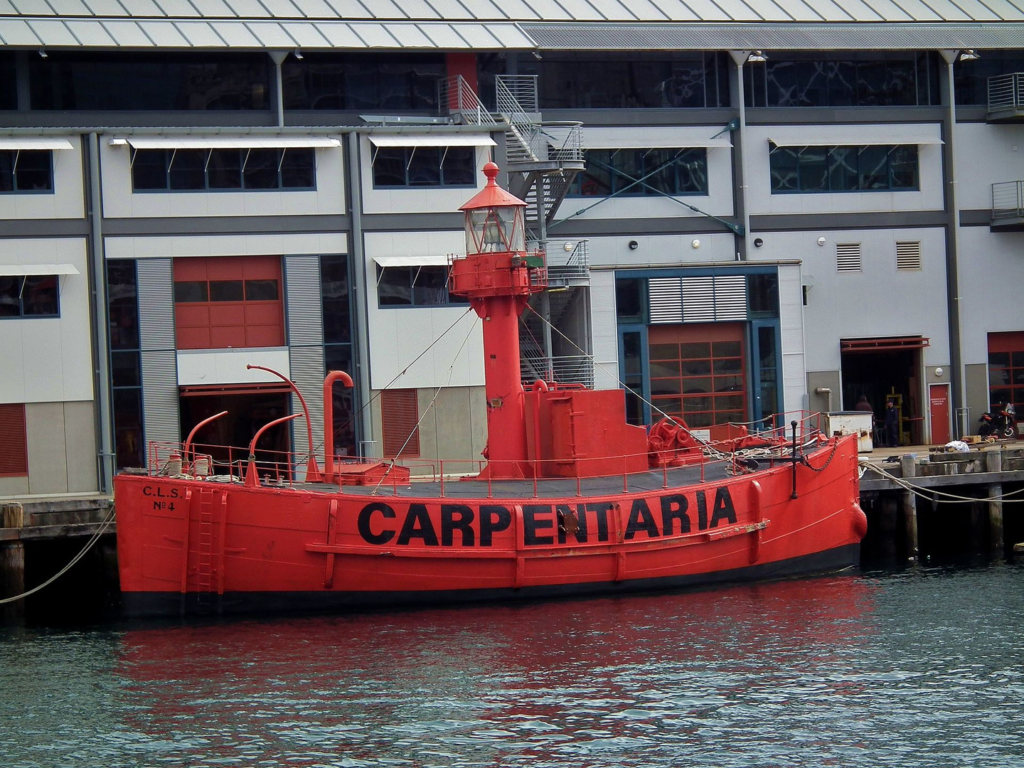
Australian lightvessel Carpentaria formerly stationed in the Gulf of Carpentaria
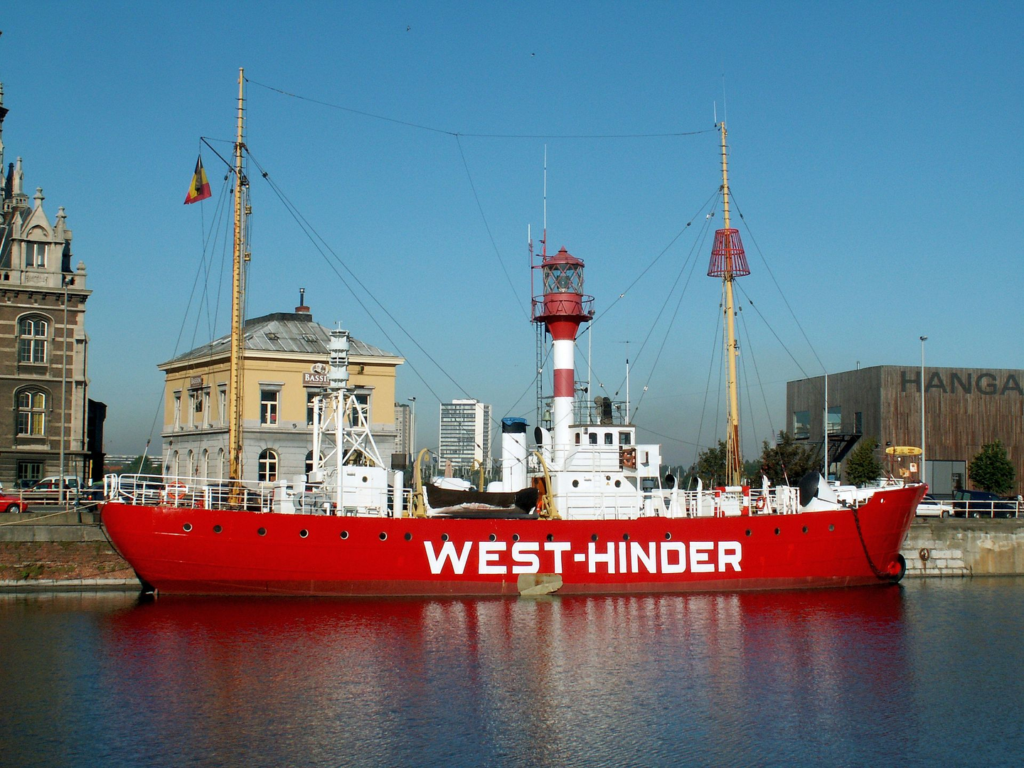
Belgian lightvessel West-Hinder III
Fehmarnbelt Lightship, formerly at Brake on the River Weser, Germany
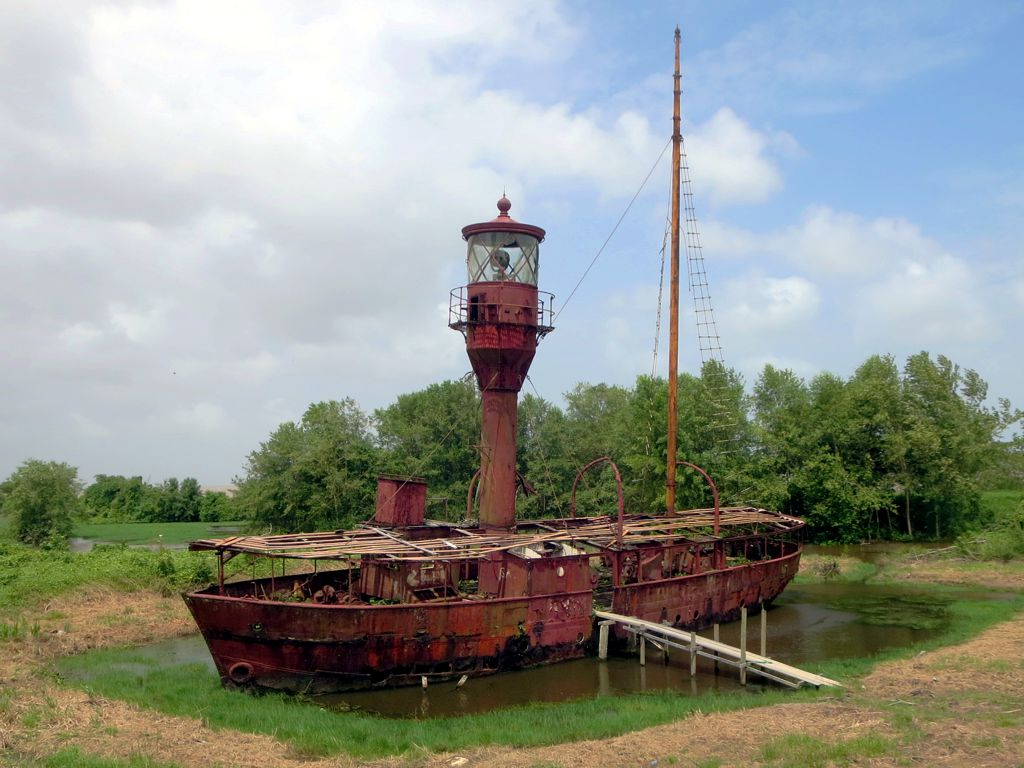
Former lightvessel Suriname-Rivier in Suriname
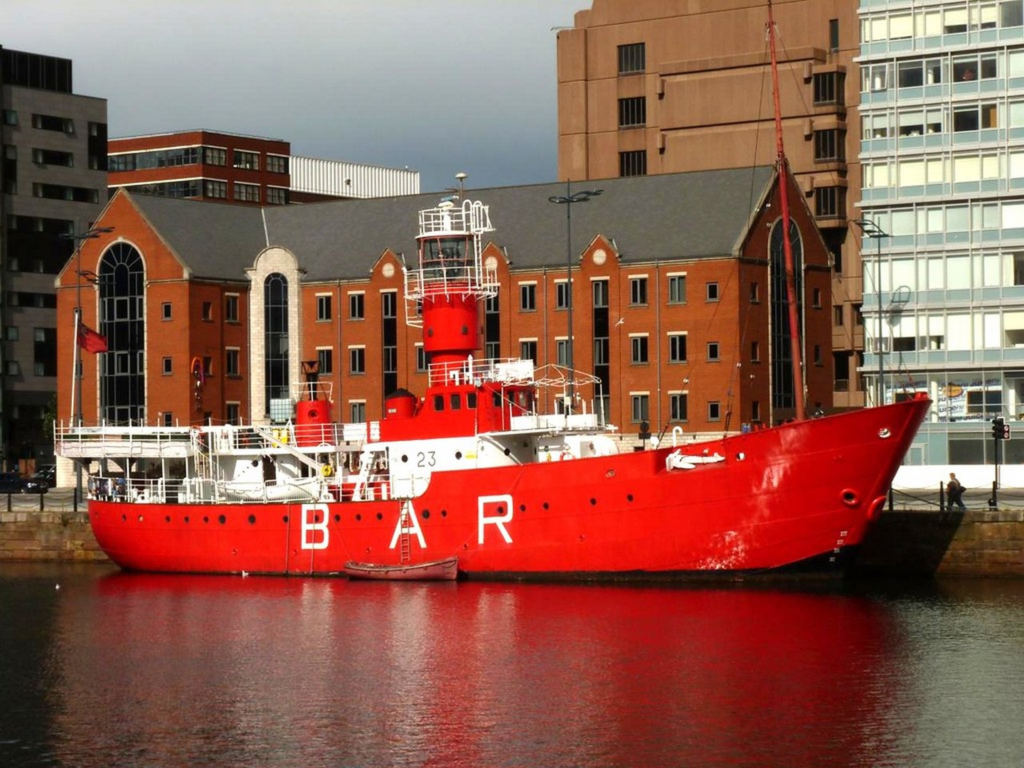
Former Mersey Bar lightvessel Planet
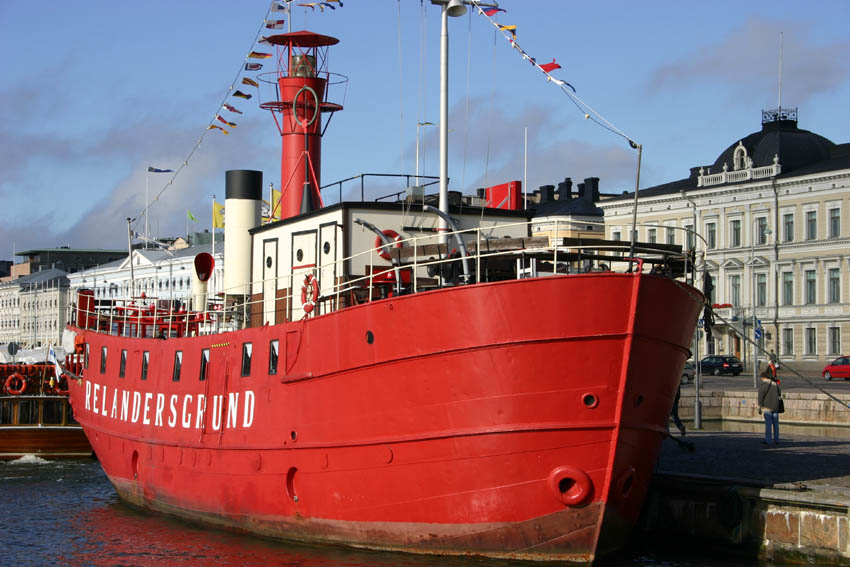
Lightvessel Relandersgrund, formerly stationed in Helsinki Harbour
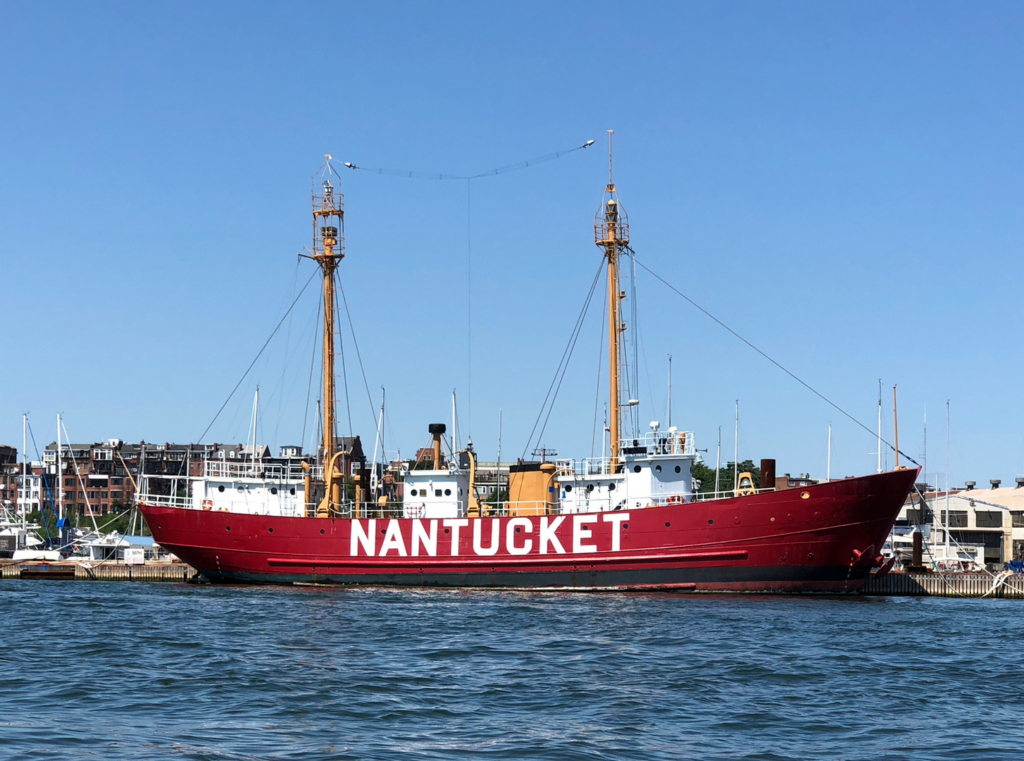
Last light vessel to mark the Nantucket channel; decommissioned in 198
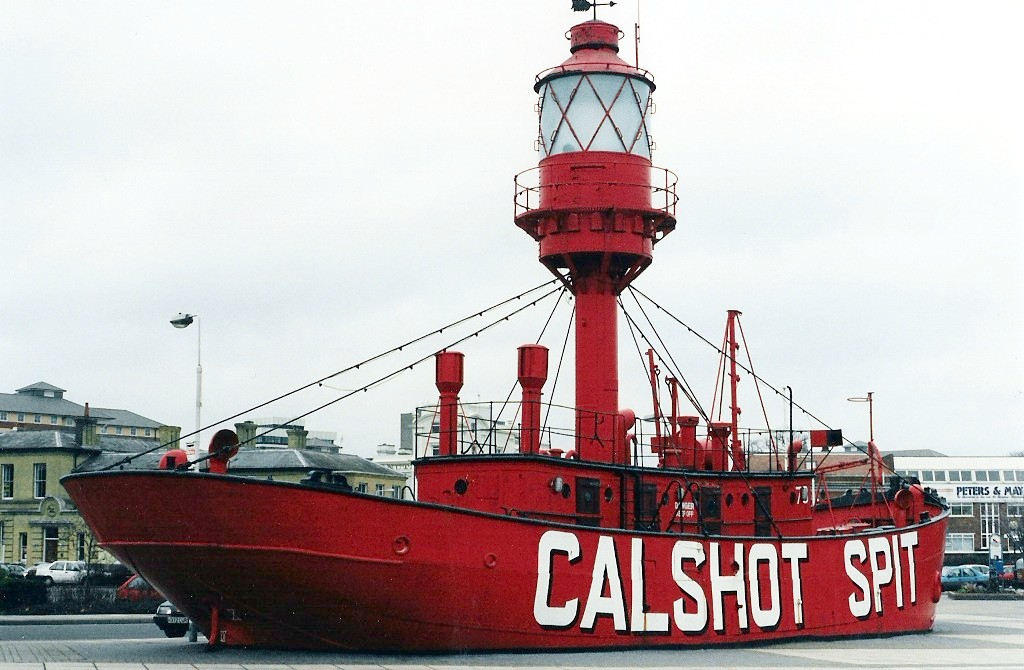
Lightship LV78, formerly at Calshot Spit station, at south end of Southampton Water, UK
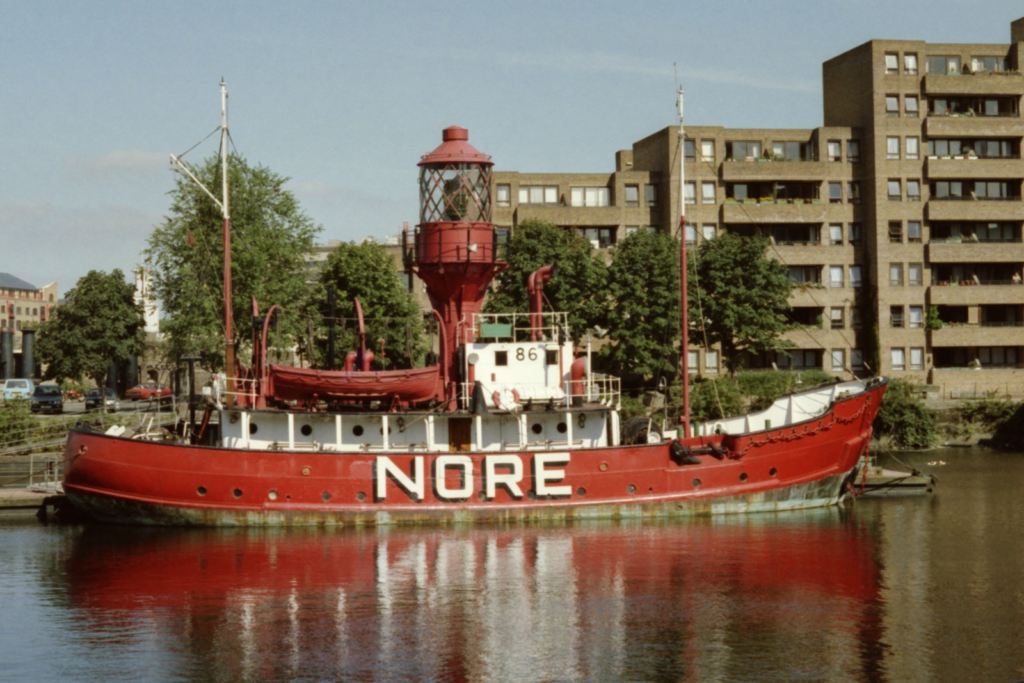
Lightship LV86, stationed at the Nore from 1931 to 1974
Lightship LV-112 stationed on the Nantucket Shoals until retired in 197
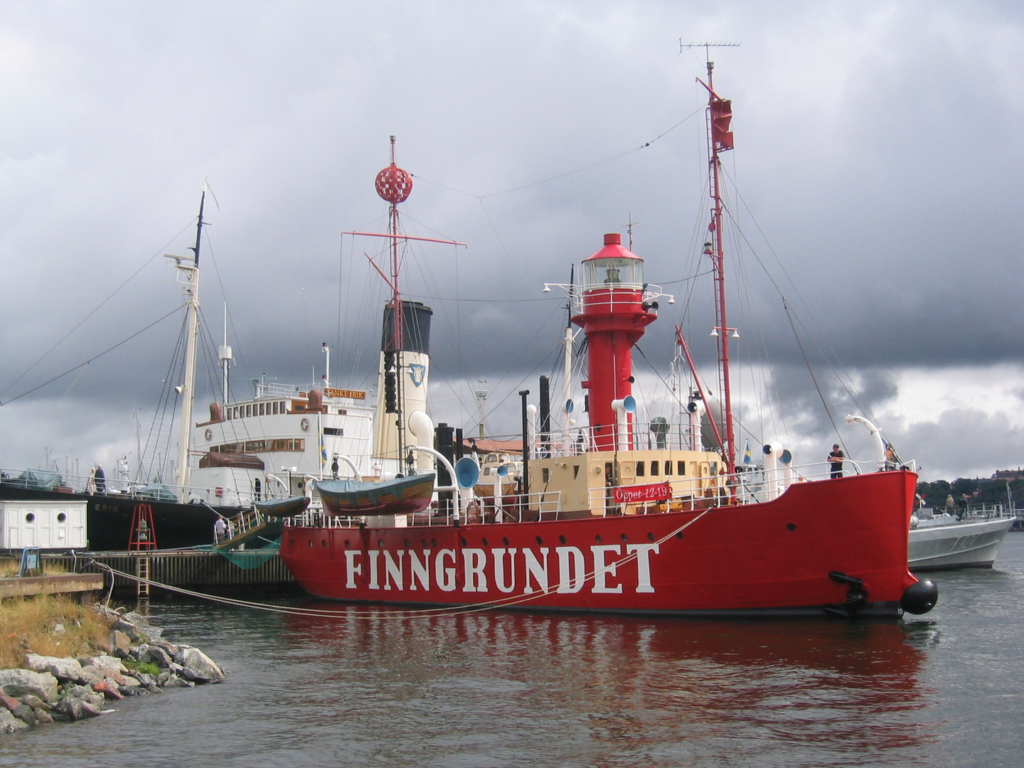
Swedish lightvessel Finngrundet, formerly stationed in the Baltic Sea
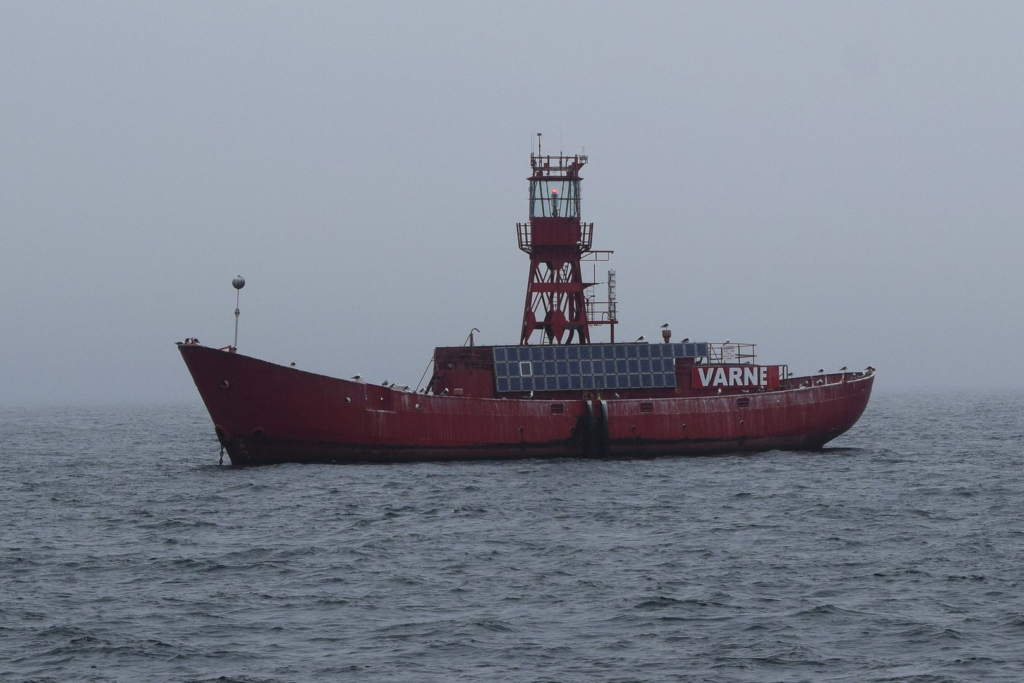
Lightvessel on the Varne bank, unmanned and solar powered